




GÜDE BREAD KNIFE
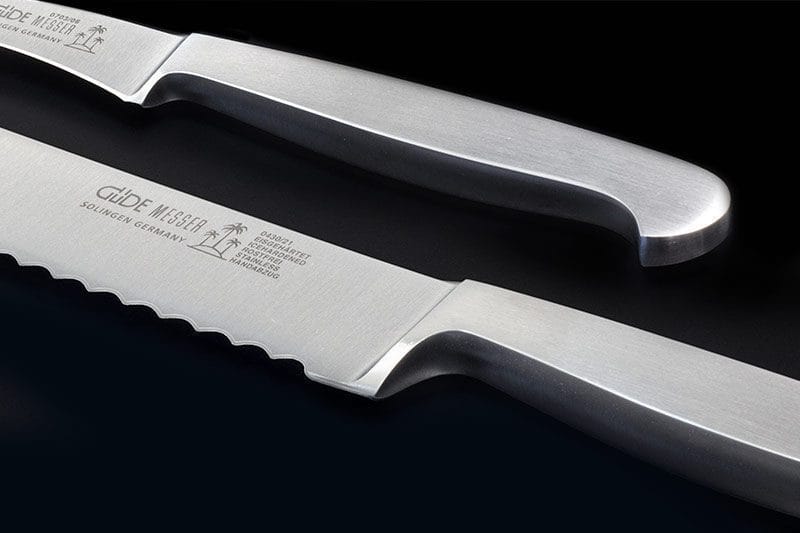
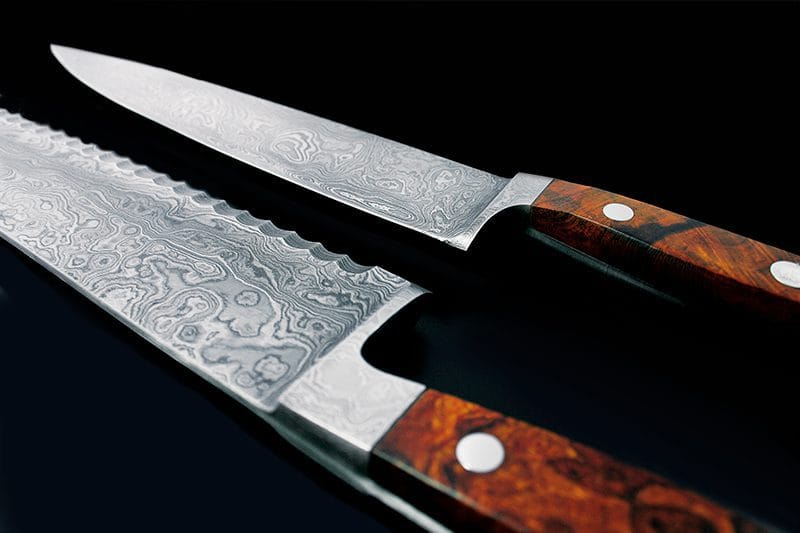
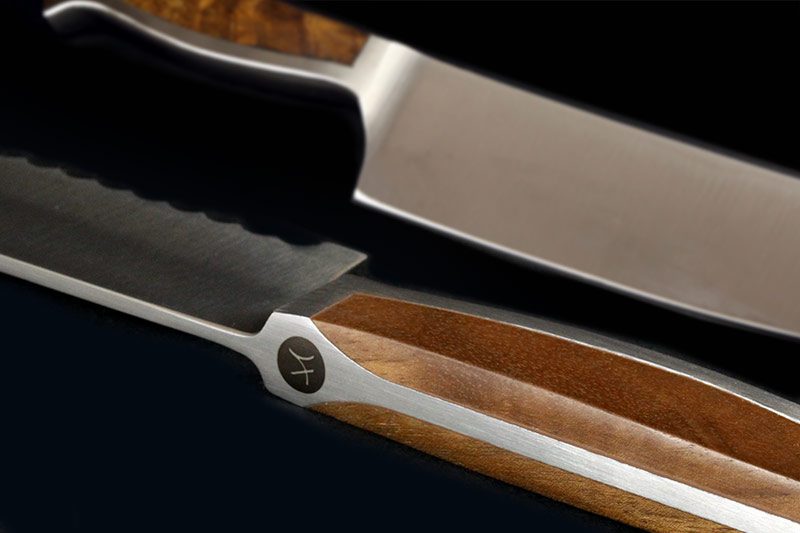
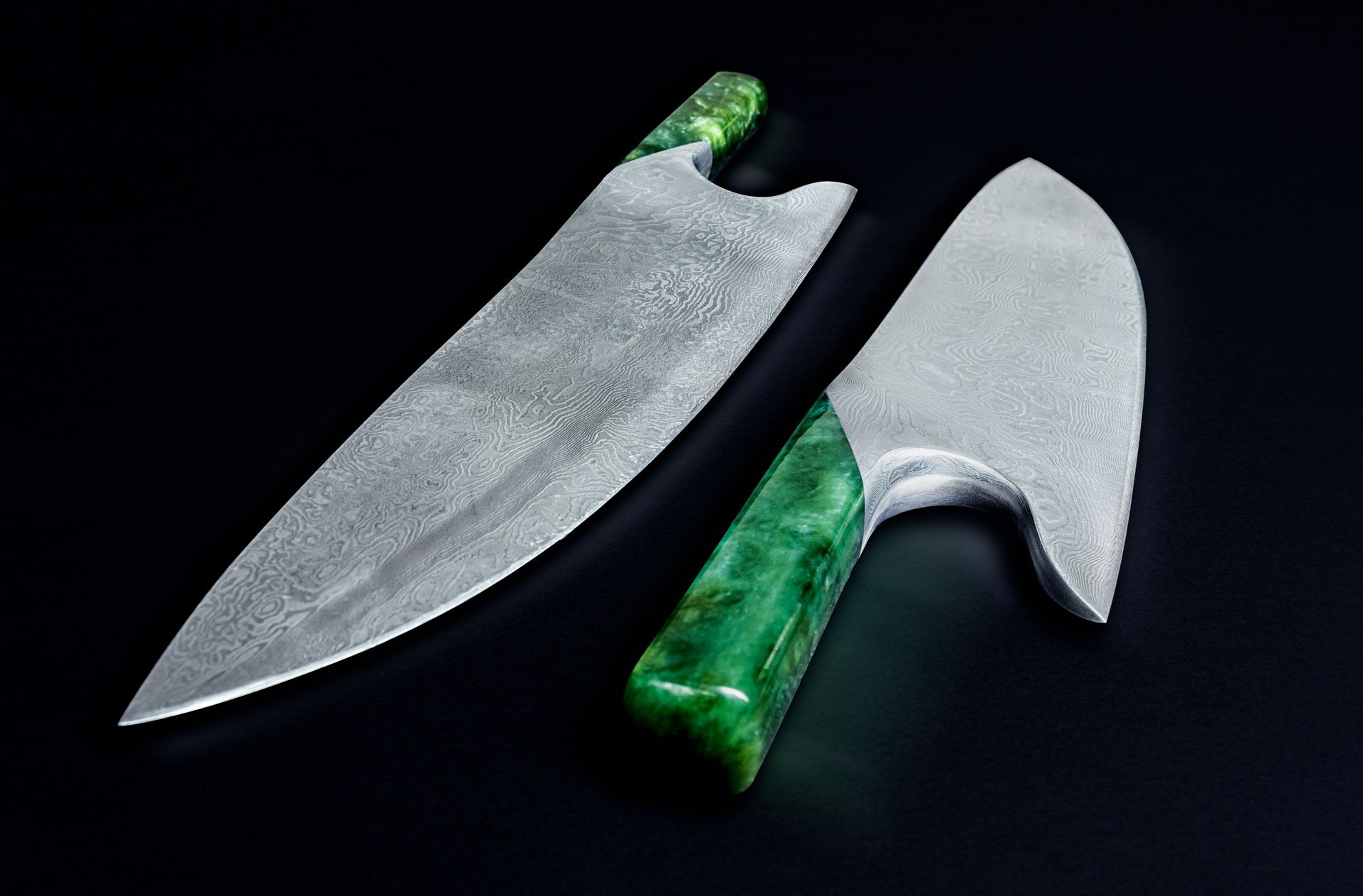
THE BREAD SAW - The bread knife "Franz Güde" is THE BREAD KNIFE. Franz Güde is the inventor of the "Güde- serrated edge". This significantly increases the cutting ability and edge retention. The bread knife "Franz Güde" is available in several versions and in special designs - including a version made of Damascus steel.
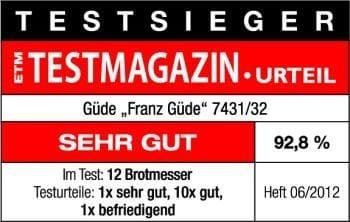
"Güde's bread saw cannot be beaten by the competition; its performance is too strong, and we awarded it the only "very good" rating, making it the test winner."
Emporio Test Magazine






Bread knife barrel oak
Price range: € 164.00 to € 299.00

Caminada bread knife
Price range: € 214.00 to € 360.00

Bread knife Balkhauser Kotten
Price range: € 257.00 to € 299.00

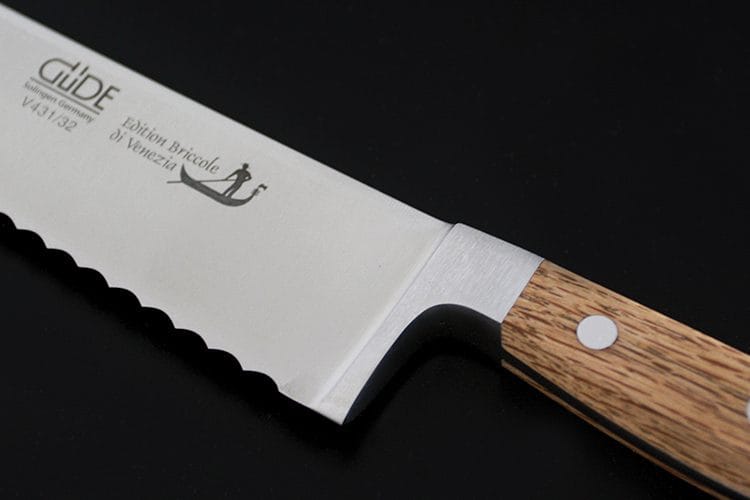
Bread knife Briccole
Price range: € 288.00 to € 330.00
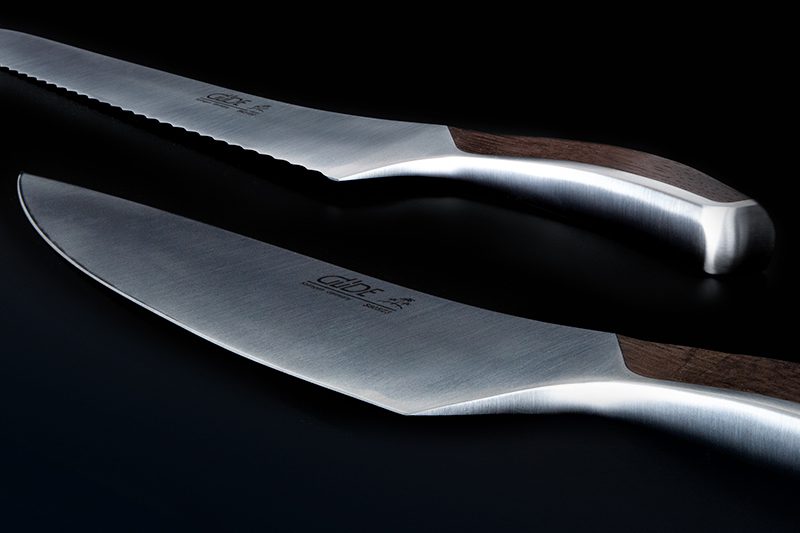
Bread knife Synchros smoked oak
Price range: € 298.00 to € 338.00
Bread knife Synchros Olive
Price range: € 298.00 to € 338.00

Güde – The original Güde from Solingen
The bread knife is one of the three most important knives in any kitchen. At Güde Solingen , itSolingen a special significance: in 1941, Franz Güde developed Güde characteristic Güde with pointed teeth—a technique that became established worldwide and still defines the standard for bread knives today.
The original from Solingen: the Güde was developed in our factory in 1941. Since then, Güde have been hand-forged in up to 55 manual steps – for bakers, professional chefs, and bread lovers worldwide. More about the history
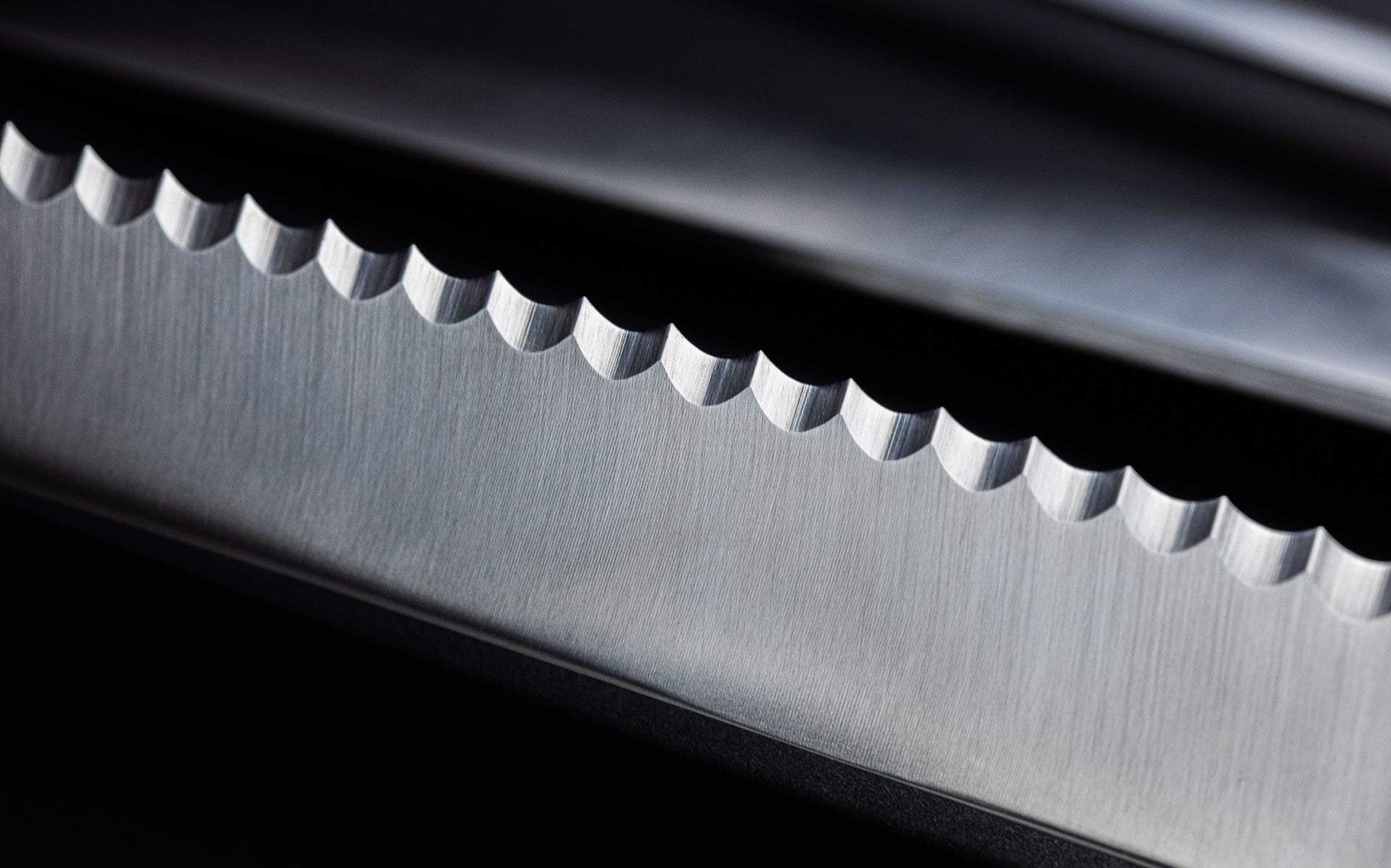
Why Güde serrated blades saw bread instead of squeezing it
The difference between a good bread knife and a mediocre one becomes apparent with the first cut: smooth blades compress the bread and tear the crumb. The Güde with its pointed teeth works differently—it saws through the hardest crusts without damaging the soft interior.
The serrations on every Güde are ground into the blade by hand. Unlike machine-made serrations, the teeth of Güde are pointed rather than rounded. The result: clean cuts through sourdough bread, baguettes, and rolls—without leaving crumbs all over the cutting board.
More about the properties of Güde serrated edges
The Güde is ground on one side, making it particularly low-maintenance. With daily use, the blade will remain sharp for years. If the sharpness diminishes, our sharpening service in Solingen will Solingen using the original tools—often from the same knife makers who originally manufactured the knife.
Buy Güde : Overview of series
Güde bread knives in various series – from the professional classic with a POM plastic handle to the exclusive Damascus knife. All blades are made of chrome-vanadium-molybdenum steel (X50CrMoV15), ice-hardened to 57–58 HRC, and forged from a single piece in a die.
For professional kitchens: Alpha Kappa
The Alpha with its robust Hostaform® plastic handle meets all hygiene requirements in the catering industry and is dishwasher safe. The Kappa goes one step further: it is made entirely from a single piece of stainless steel – no material transitions, no joints, perfect balance. Both series are designed for continuous daily use in bakeries and restaurants.
For connoisseurs: elegant wooden handles
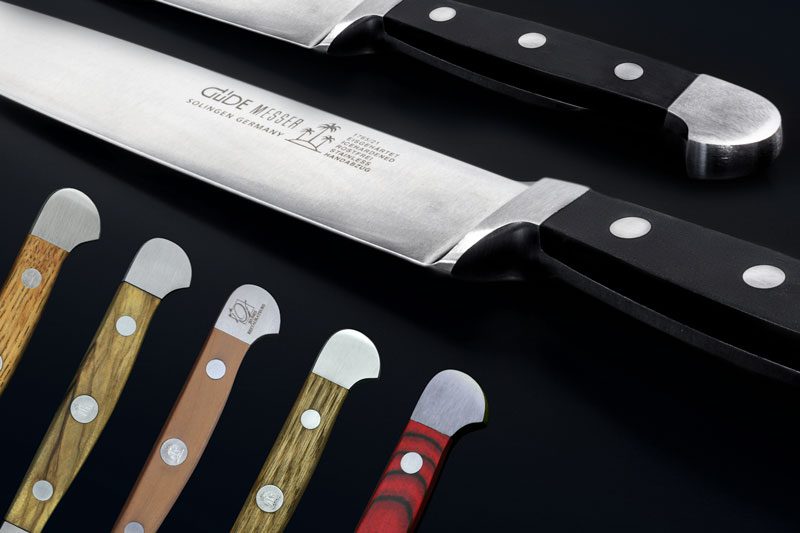
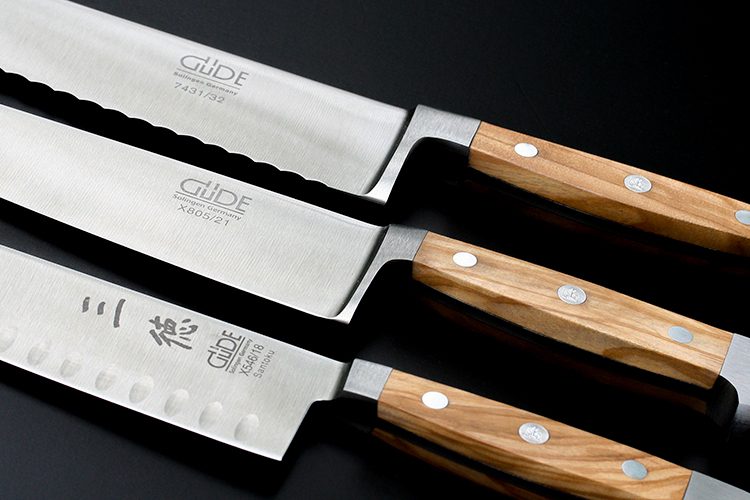
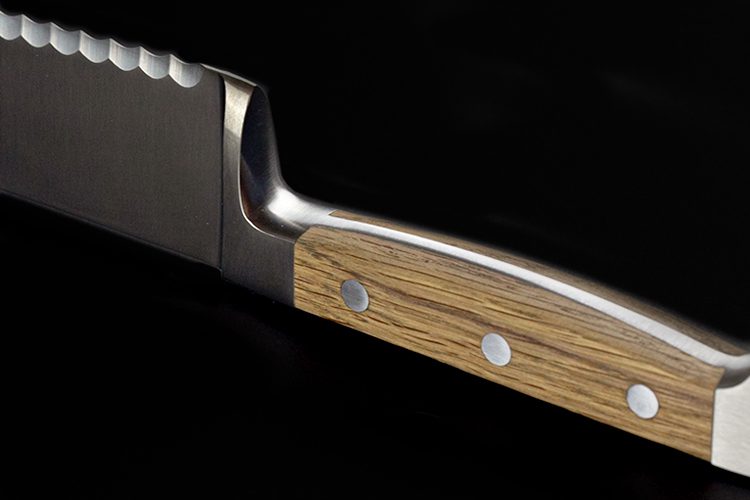
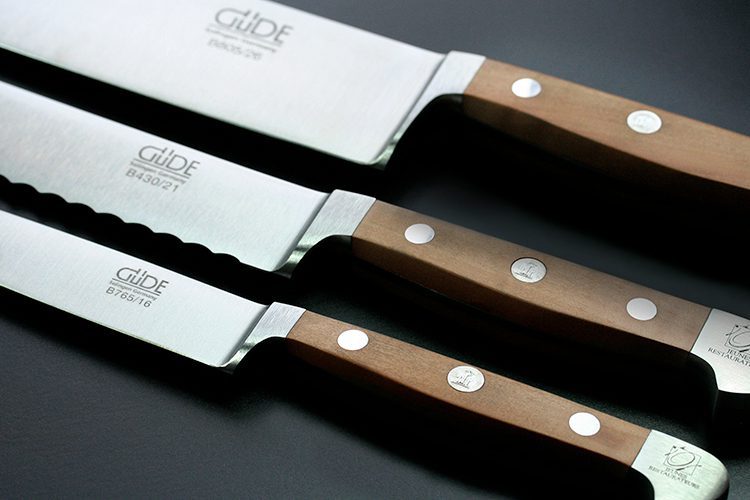
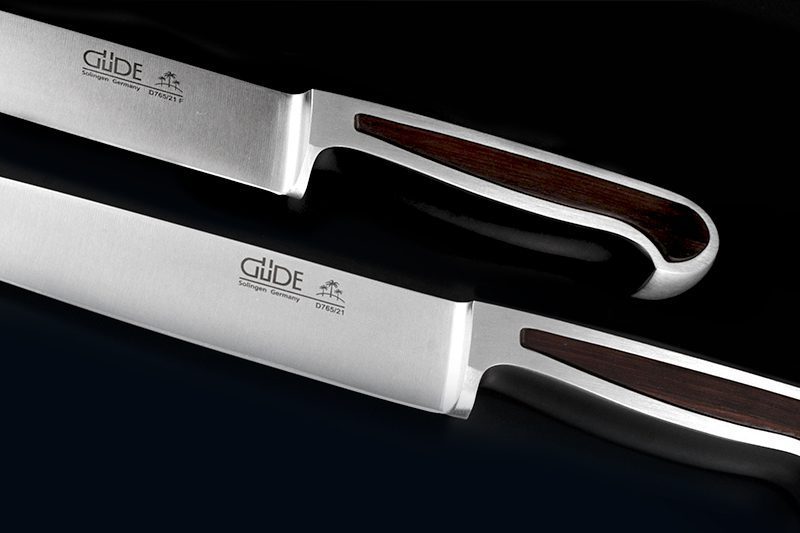
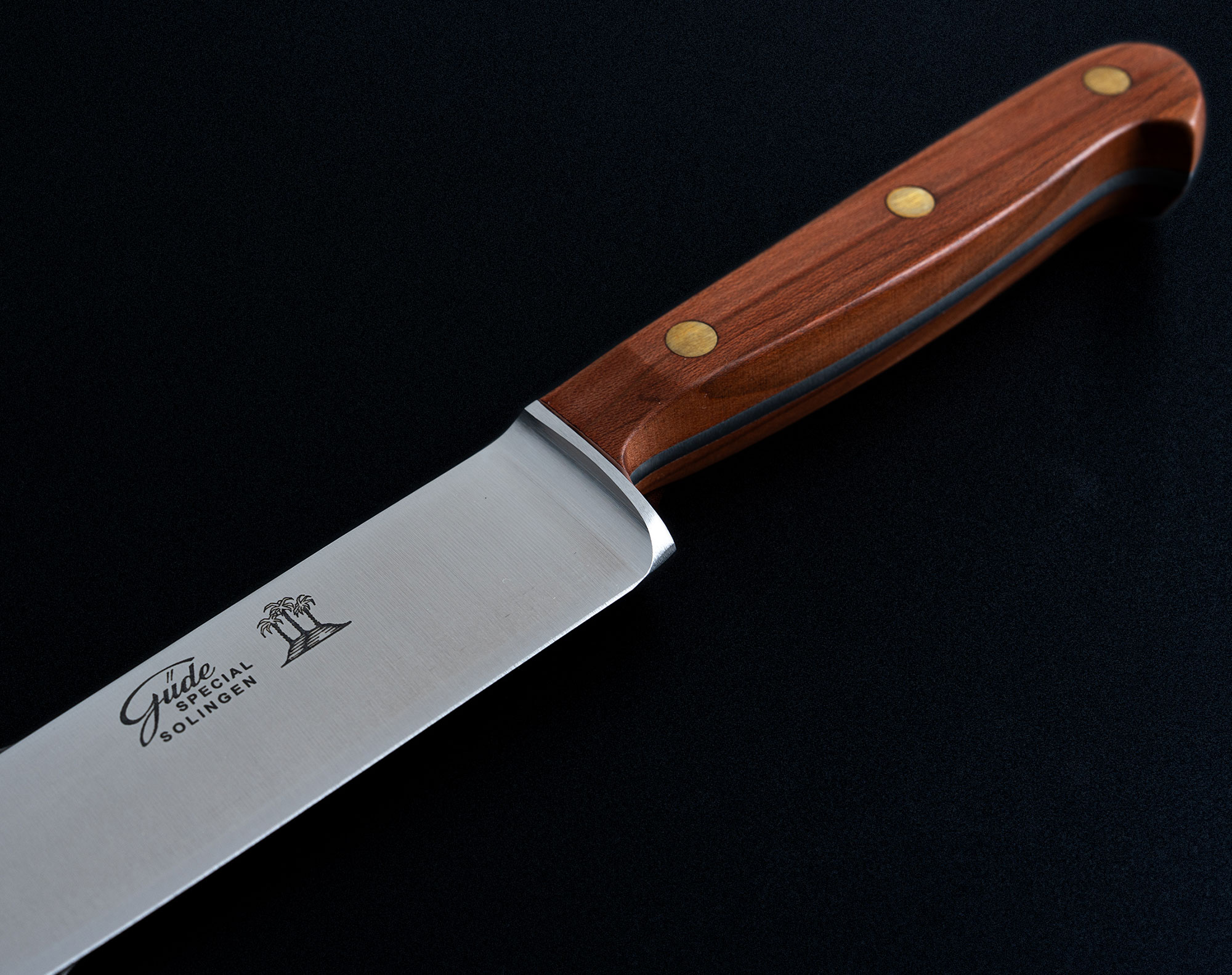
The Alpha is also available with various wooden handles: olive wood (100–500 years old), barrel oak (from wine barrels over 80 years old), walnut, and pear. Each handle is unique with its own individual grain. Wooden handles should not be placed in the dishwasher, as the wood may swell and crack.
The original: Franz Güde
With a blade length of 32 cm and a weight of around 380 g, the Franz Güde is the manufacturer's flagship product – named after the inventor of Güde. The impressive blade can cut through even large loaves of bread in just a few strokes. In Solingen , it Solingen simply called a "bread saw."
Using a bread knife correctly: Not just for bread
A Güde cuts anything with a firm outer skin and a soft interior. The Güde makes short work of:
Classic areas of application
- Sourdough and farmhouse breads
- Baguettes and ciabatta
- Rolls and croissants
- crust roast
Insider tips from the pros
- Melons and pumpkin
- Pineapple (with peel)
- Cut the cabbages in half
- Portioning frozen cakes
Guide the bread knife through the bread with long, even strokes—without applying downward pressure. The blade will do the work. For very large loaves: The blade should be about 4 inches longer than the diameter of the bread.
Which blade length for which bread?
21 cm blade
- Rolls and baguettes
- Smaller loaves of bread
- Daily household use
- Space-saving in the drawer
32 cm blade
- Large loaves of bread (Ø 20 cm+)
- Sourdough from the baker
- Crust roast and melons
- Fewer cutting movements required
Frequently asked questions about Güde
Developed in 1941, the Güde has pointed teeth instead of rounded waves. The points grip the crust and saw through it without squashing the bread. Machine-made serrated blades with rounded waves require more pressure and often tear the crumb.
The Alpha bread knife Alpha POM plastic handle and the Kappa bread knife Kappa all-metal design are dishwasher safe. However, for maximum durability, we recommend hand washing. Bread knives with wooden handles (olive, barrel oak, walnut, pear) should never be placed in the dishwasher.
The Güde is particularly low-maintenance and remains sharp for years with normal use. Even in continuous commercial use, service lives of several years are common. If the sharpness diminishes, we offer a sharpening service – the knife is Solingen with the original tools in Solingen .
Yes. The Güde is normally ground on one side—on the right side of the blade for right-handed users. We also manufacture left-handed versions with a left-side grind and ambidextrous models with a double-sided grind.
That depends on the intended use. For professional kitchens, we recommend Alpha POM) or Kappa all metal) because they are dishwasher safe. For connoisseurs, the wood handle versions are the first choice. The Franz Güde with a 32 cm blade is the original and ideal for large loaves of bread.
Prices vary depending on the series and handle material. The Alpha with plastic handles starts in the mid-price range, while wooden handle variants and the Franz Güde are priced higher. The exclusive Damascus bread knife with a 300-layer blade represents the top of the range.
Care and storage
Güde are rustproof, but not indestructible. With the right care, they will last you a lifetime:
Cleaning: After use, rinse with lukewarm water and mild dish soap, then dry immediately. Do not leave in the sink.
Storage: Store in a knife block, on a magnetic strip, or in a knife sheath—do not store loose in a drawer, as this will damage the blade.
Wooden handles: Occasionally treat with handle oil to keep the wood supple.
Since 1910: Bread knives from Solingen
Franz Güde was Solingen Güde Solingen in 1910 by Karl Güde . In 1941, his son Franz Güde the Güde, which revolutionized the bread knife. Today, the fourth generation runs the factory and manufactures every knife according to the same principles: forged from a single piece of steel in a die, ground by hand, fitted with a handle, and sharpened by hand.
At a time when many knives are manufactured by machine in Asia, Güde is Güde of the last manufacturers to Solingen uncompromisingly in Solingen —in small quantities, with up to 55 manual steps per knife.
Our knife series
We value individuality - especially in the development and optimisation of our knife series. This is reflected in every single blade that leaves our manufactory, in the selection of particularly beautiful and tactile handle materials and a unique ergonomic design that fluently enables and celebrates fast, precise work.









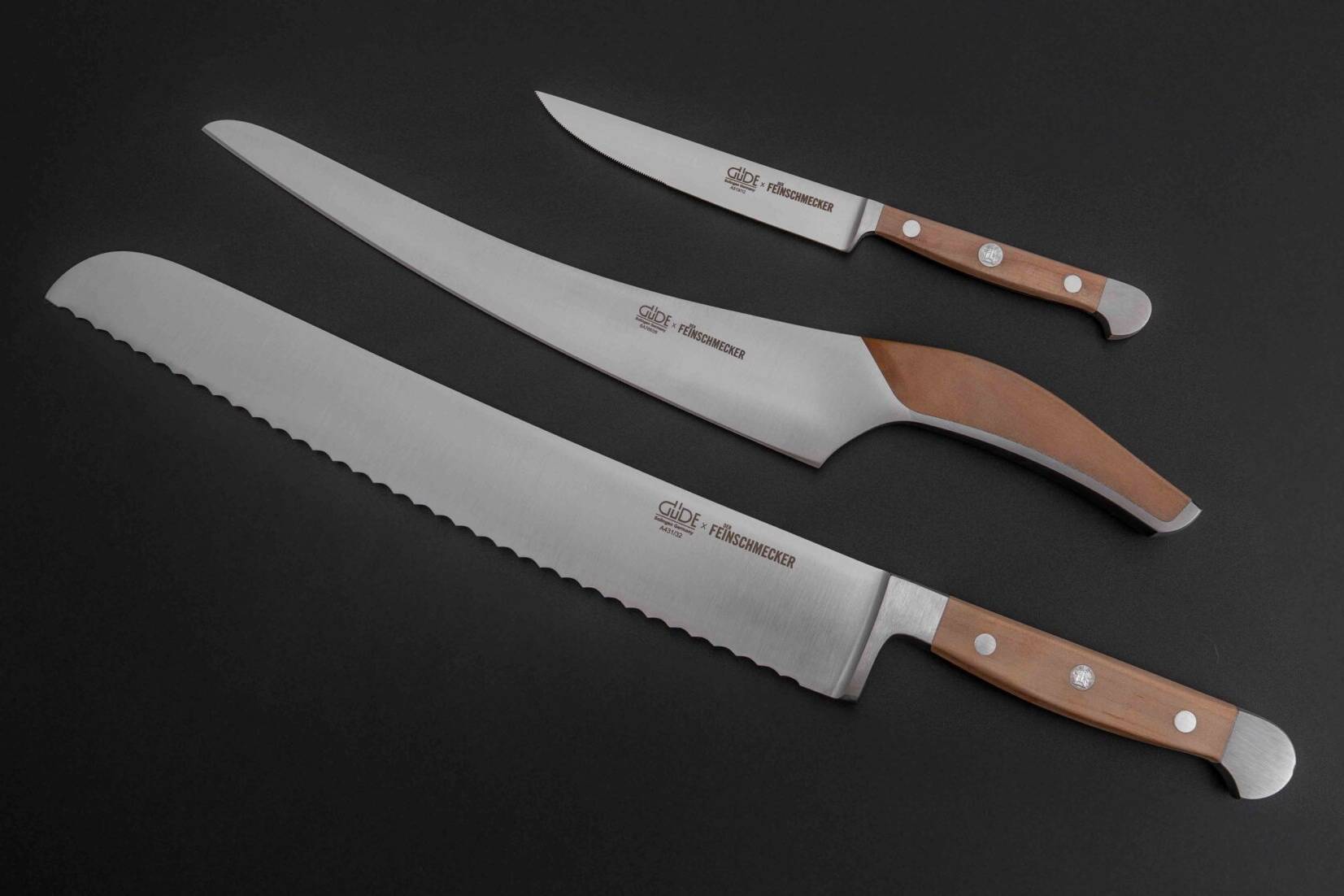
Gourmet x Güde
The exclusive "Feinschmecker" edition combines genuine craftsmanship from Solingen the high standards of Germany's leading gourmet magazine.
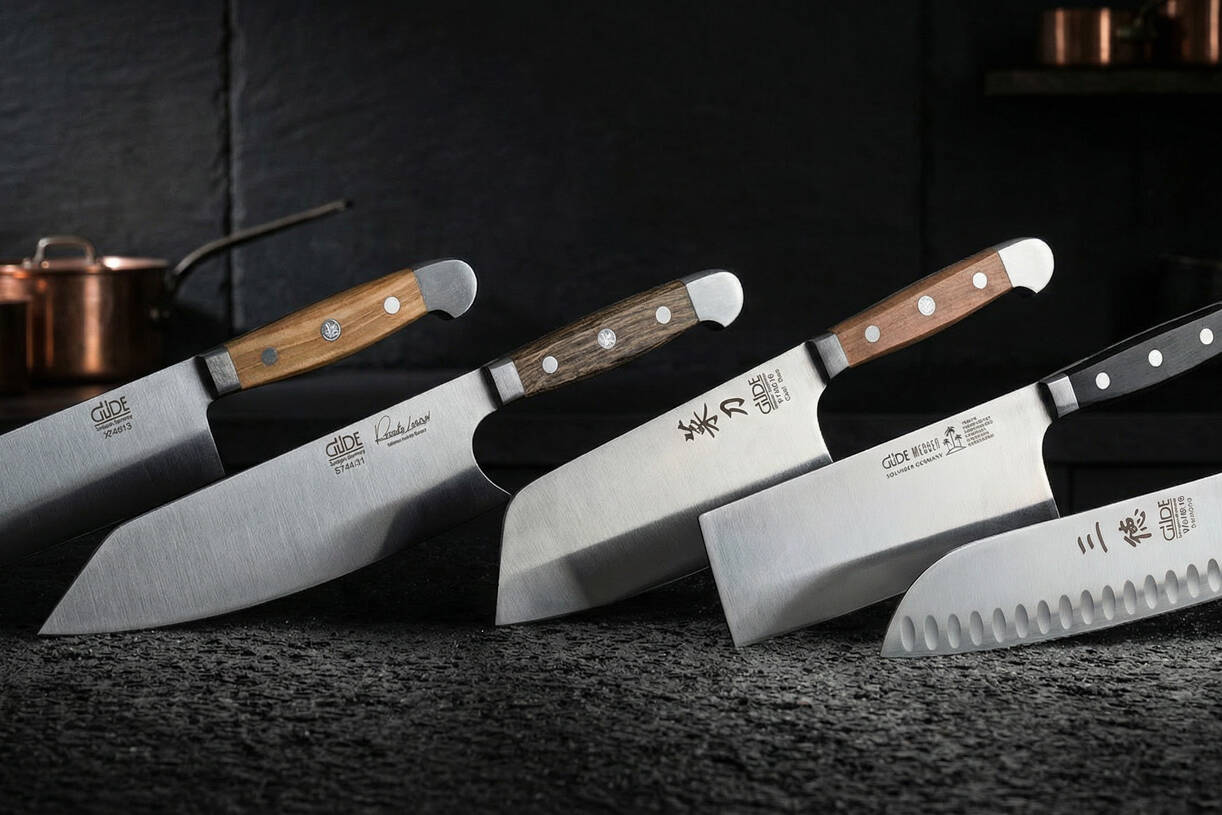
Discover knife icons
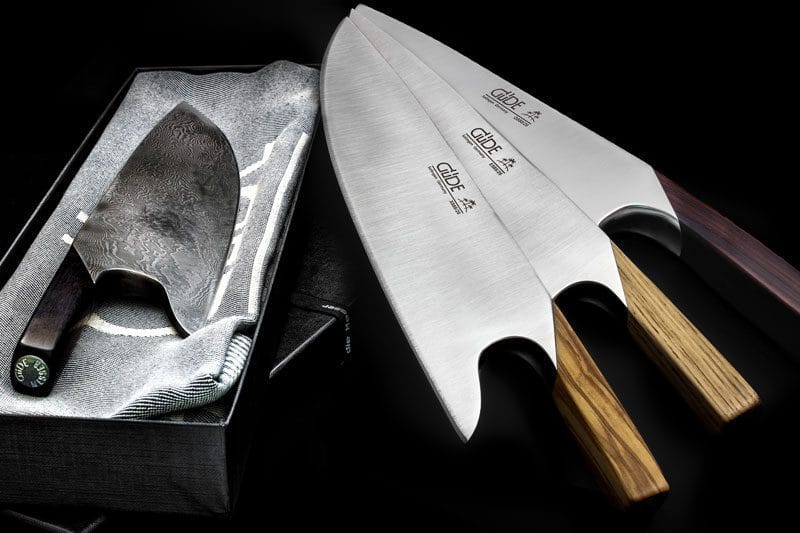
THE KNIFE.
Our THE KNIFE. lives up to its name: this all-rounder was conceived, developed and forged by us with a particular focus on perfect ergonomics. Its special shape and balance ensure an automatic over-grip of the hand, which encloses the blade when cutting and thus finds a quasi natural extension in THE KNIFE.
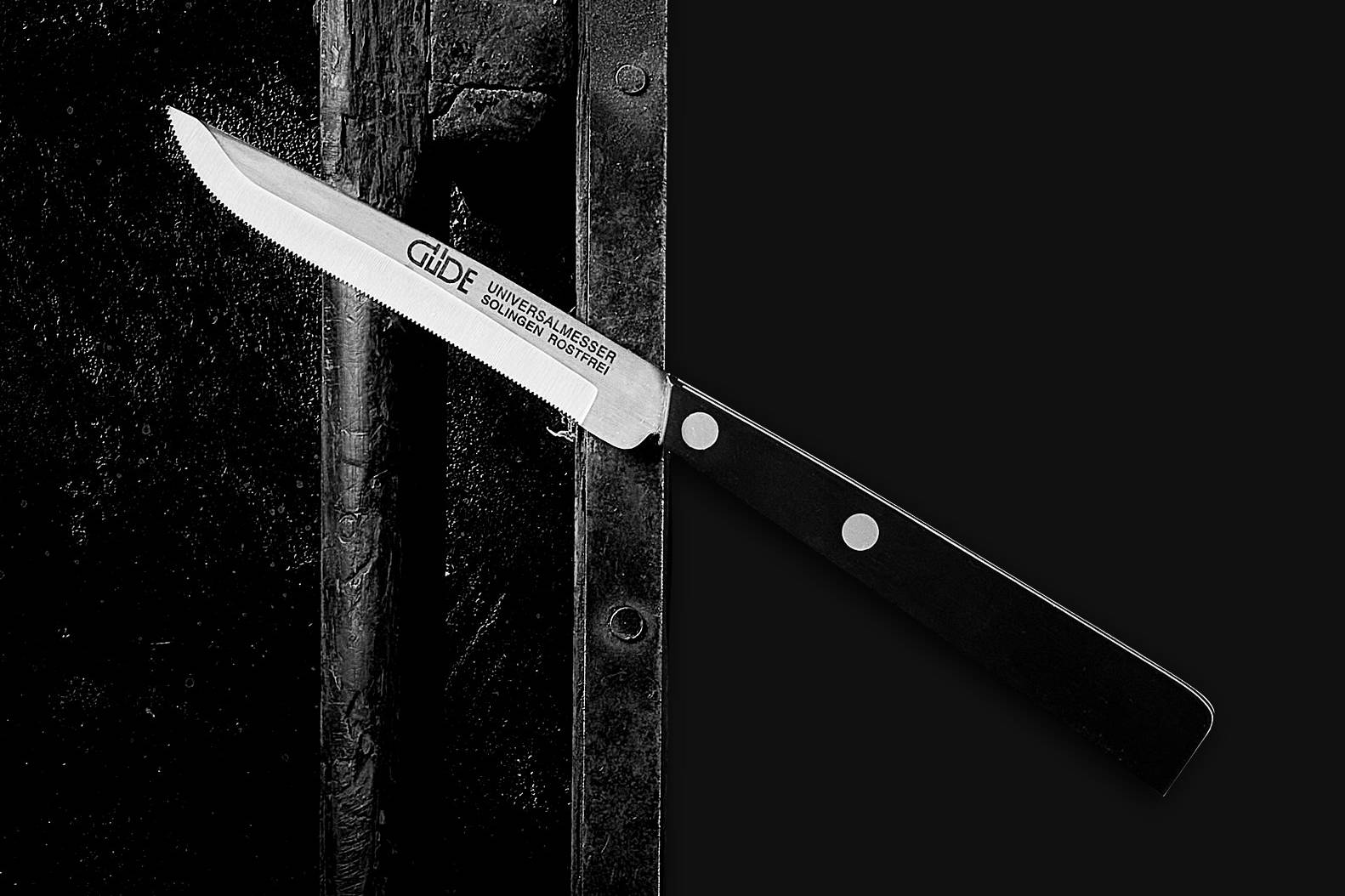
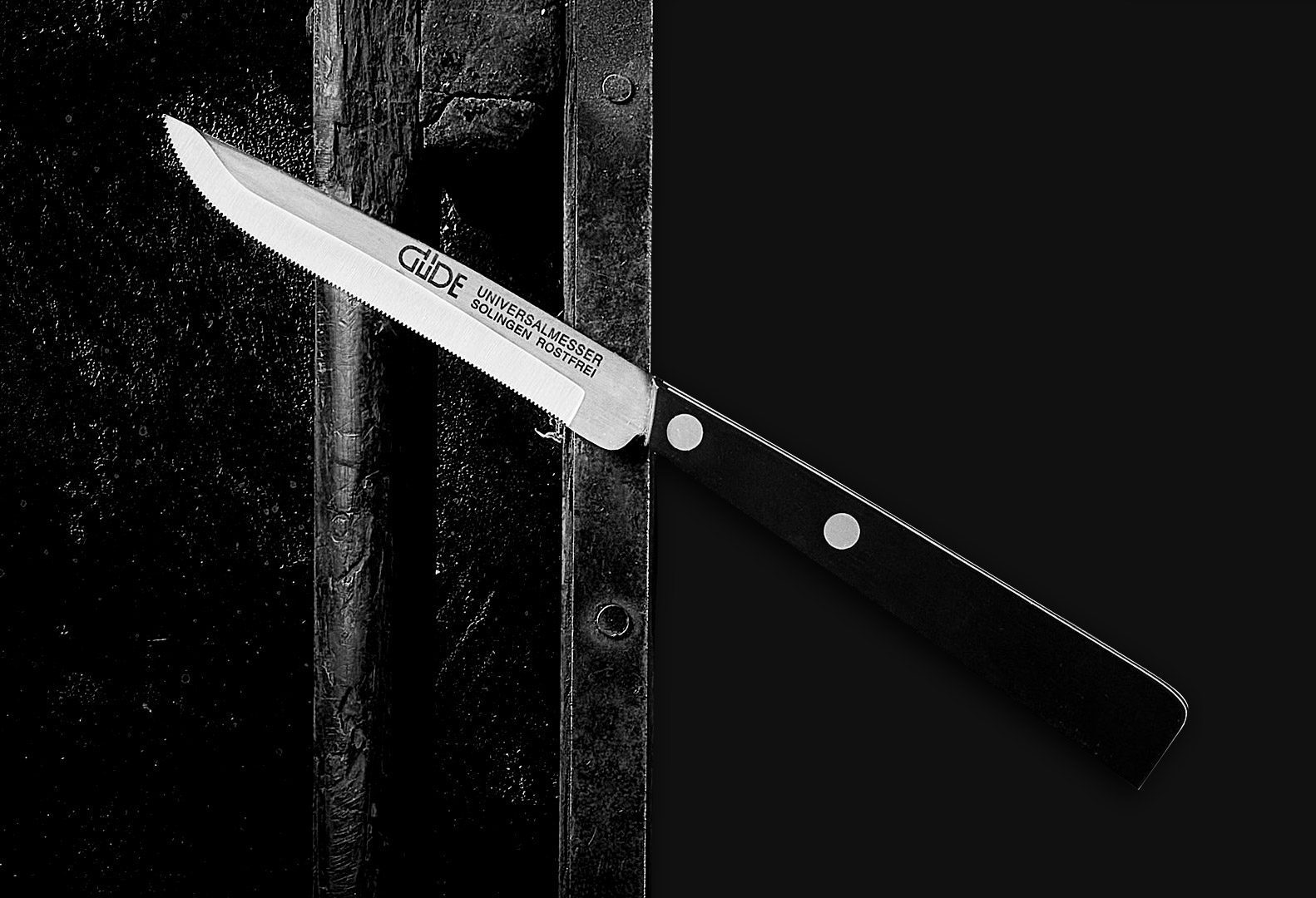
Utility knife
Our compact all-round talent is handy and effective - not only when it comes to precise work with smaller items. Its fine serration and double-sided hollow grinding make our universal knife the ideal companion for peeling, cutting and slicing vegetables, meat, fruit and co.